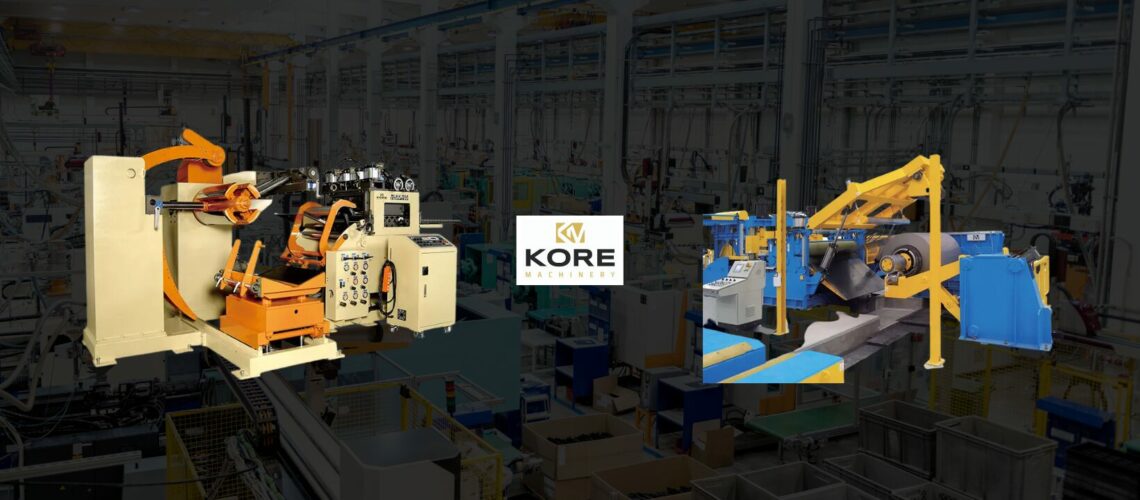
CTL vs. Slitting Lines
Precision and efficiency are paramount in metal processing. Two essential types of machinery—cut-to-length (CTL) lines and slitting lines—play pivotal roles in transforming large metal coils into usable formats for further processing or direct application. While both systems are designed to handle coiled materials, they serve distinct purposes and cater to different production needs.
In this guide we’ll explain the practical differences between CTL and slitting lines so manufacturers and service centers can align equipment selection with real-world processing requirements.
What Is a Cut-to-Length (CTL) Line?
A cut-to-length line converts coiled metal into flat sheets with precise length control. The process includes uncoiling, leveling, cutting, and stacking. The goal is to produce flat sheets that maintain dimensional accuracy and surface quality for downstream fabrication.
CTL systems are commonly used when operations require consistent sheet size and flatness for stamping, forming, or assembly applications. Precision leveling ensures the material remains stable throughout processing.
Typical CTL output:
- Flat sheets cut to programmed length
- High dimensional consistency
- Controlled material handling
CTL lines are widely used in manufacturing environments where sheet accuracy directly influences product quality such as the automotive, aerospace, construction, and appliance sectors. CTL lines can handle various materials, from stainless steel to aluminum, and can process thick, heavy-gauge materials.
What Is a Slitting Line?
A slitting line divides a master coil into multiple narrower strips. Instead of producing flat sheets, the system cuts continuous strips that are rewound into smaller coils.
The slitting process emphasizes width precision, strip alignment, and high-speed throughput. Slit coils are often used in roll forming, stamping, or secondary coil-fed production systems.
Typical slitting output:
- Narrow strip coils
- Consistent width tolerances
- Efficient material utilization
Slitting lines are vital for producing materials used in downstream operations like metal stamping, tube production, and roll forming. Industries such as electronics, automotive, and construction heavily rely on slit coils for manufacturing components like transformer cores, shielding materials, and structural beams.
Key Differences Between CTL and Slitting Systems
While both systems process coil material, their outputs and production roles differ significantly.
| Feature | CTL Line | Slitting Line |
| Primary Output | Flat sheets | Narrow strip coils |
| Best Use Case | Sheet fabrication | Strip-fed production |
| Material Handling Focus | Flatness + length accuracy | Width precision + throughput |
| Workflow Integration | Stamping/forming | Roll forming/coil feed |
| Production Priority | Sheet quality | Strip efficiency |
Understanding these distinctions helps buyers select equipment aligned with operational goals.
When a CTL Line Is the Better Choice
A cut-to-length system is typically preferred when production relies on flat sheet accuracy. Applications that benefit from CTL processing include:
- Sheet-fed stamping operations
- Fabrication requiring consistent sheet size
- Assembly lines needing predictable material presentation
- Workflows where flatness affects final product quality
CTL lines support controlled material handling and repeatable sheet dimensions.
When a Slitting Line Is the Better Choice
Slitting systems are best suited for operations requiring strip-fed processing or high material utilization. Typical advantages include:
- Continuous strip production
- Efficient coil segmentation
- Support for roll forming workflows
- High-throughput material processing
Facilities prioritizing strip output and production speed often favor slitting systems.
Can Facilities Use Both Systems?
Many coil processors operate both CTL and slitting lines to support diverse production needs. Each system complements different workflow demands.
For example:
- CTL lines supply flat sheets for fabrication
- Slitting lines feed strip-based equipment
The decision is not always either/or — it depends on production strategy and downstream integration.
Production Considerations That Influence the Choice
When evaluating CTL vs slitting systems, buyers should consider:
- Desired output format (sheet vs strip)
- Material thickness and coil characteristics
- Throughput expectations
- Downstream equipment compatibility
- Workflow efficiency goals
Selecting the correct system improves productivity while minimizing material waste and operational bottlenecks.
Frequently Asked Questions
Can a CTL line replace a slitting line?
No — each system produces different output formats suited to specific workflows.
Which system is better for high-speed production?
Slitting lines often support continuous strip processing, while CTL systems prioritize sheet precision.
Does material type affect system choice?
Yes – coil thickness, surface sensitivity, and production goals influence configuration.
Do service centers benefit from both systems?
Many facilities use both to support a wider range of customer requirements.
Summary
Cut-to-length lines and slitting lines serve distinct but equally important roles in coil processing. CTL systems focus on accurate sheet production, while slitting systems optimize strip output and throughput.
Understanding how each system fits into your production workflow allows manufacturers and service centers to invest in equipment that supports long-term efficiency, material quality, and operational flexibility.
For deeper guidance on system selection, explore our CTL and slitting equipment resources to align your coil processing strategy with real-world manufacturing demands.